

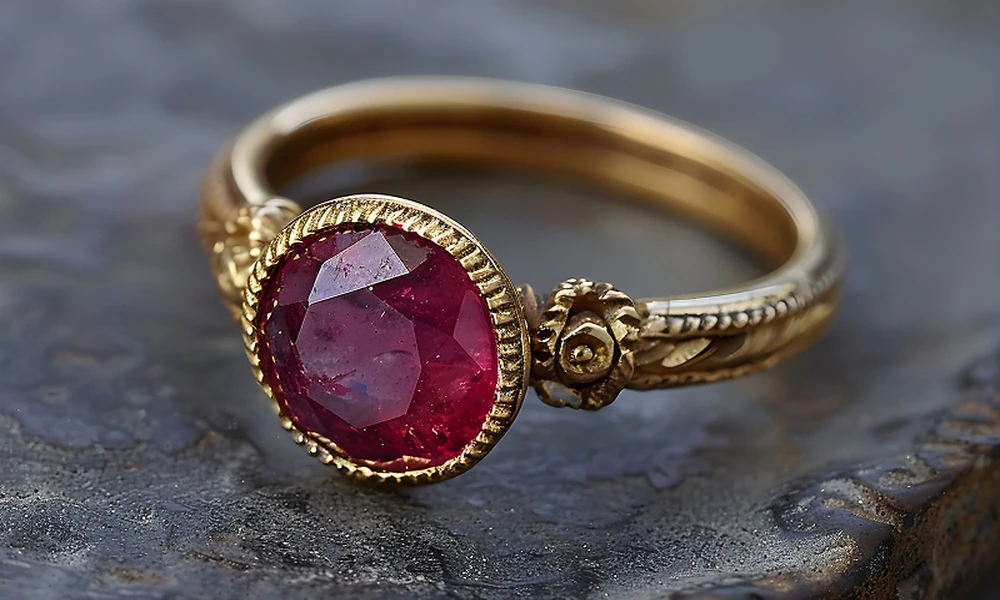
A ruby can catch the eye through its colour, yet the details behind the stone matter just as much when choosing a piece to wear for years. Buyers considering fine jewellery should look beyond the first impression and assess the gemstone, its setting and the information available about its origin and treatment.
A Burmese ruby may appeal to buyers drawn to rich red hues and the stone’s long-standing reputation in the gemstone trade. However, a ruby’s value and appearance depend on several factors, so careful inspection helps you make a considered purchase rather than relying on its name alone.
1. Assess the Colour in Different Lighting
Colour is one of the first details to examine. Look at the ruby under natural daylight and indoor lighting to see how its appearance changes. Some stones may look vivid under shop lights but appear darker or less lively elsewhere.
Consider the balance of hue, tone and saturation. A strong red colour may be appealing, but personal preference matters alongside market considerations. Check that the colour suits the jewellery design and your intended use, especially if you plan to wear the piece regularly.
2. Examine Clarity and Visible Inclusions
Natural rubies can contain internal features known as inclusions. Their presence does not automatically make a stone unsuitable, but their size, position and visibility can affect its appearance and durability.
Inspect the gemstone with the help of a jeweller or appropriate magnification. Look for visible fractures or surface-reaching features, particularly near edges exposed to knocks. Ask how the inclusions affect the stone and whether any treatments have been used to improve its appearance.
A careful assessment is especially valuable when buying fine jewellery at a substantial price. The aim is to understand the individual stone, rather than expecting every natural ruby to appear flawless.
3. Check the Stone’s Origin and Treatment Information
The term Burmese ruby refers to a ruby associated with Myanmar, historically known as Burma. Geographic origin can influence how a stone is marketed, but an origin claim should be supported by appropriate documentation where available.
Ask whether a recognised gemmological laboratory has assessed the ruby. A report may address gemstone identity, possible geographic origin and detectable treatments, depending on the laboratory and the report’s scope. Origin conclusions are expert opinions, not guarantees of value.
Treatment information deserves equal attention. Heat treatment is used for some rubies, while other stones may have undergone more extensive processes. Ask for clear written disclosure and make sure the purchase documentation matches the information provided.
4. Match the Setting to the Stone and Your Lifestyle
A ruby’s setting affects its appearance, comfort and protection. Prong settings expose more of the gemstone, while bezel settings surround its edge with metal. Each option has visual and practical trade-offs.
Consider how you intend to wear the piece. A ring worn every day may face more impacts than a pendant reserved for special occasions. Check that the setting holds the ruby securely, has no sharp edges and sits comfortably against the skin.
Metal choice also influences the overall look. Yellow gold can create a warm contrast with red, while white gold or platinum may give the design a cooler finish. The right combination depends on the ruby’s colour and your preferred style.
5. Understand Care and Future Maintenance
Although ruby ranks high on the Mohs hardness scale, hardness does not make it immune to damage. Inclusions, fractures and setting design can affect how well a piece withstands daily wear.
Ask the seller for cleaning advice specific to the gemstone and its treatments. Avoid using harsh chemicals or ultrasonic cleaners unless a qualified professional confirms they are suitable. Periodic checks can help identify loose claws, worn settings or other issues before the stone becomes dislodged.
Before buying, consider the practical costs of maintenance and any available repair or aftercare service. This helps you judge the long-term suitability of the piece, not simply its appearance at the point of sale.
Before You Decide: Checklist
Use this checklist before committing to a purchase:
- Have I viewed the ruby under more than one type of lighting?
- Have I examined its visible inclusions and overall condition?
- Have I received clear information about origin claims and treatments?
- Does the setting protect the stone and suit my intended use?
- Do I understand the cleaning requirements and maintenance options?
- Does the price make sense in light of the gemstone’s documented characteristics?
Conclusion
A thoughtful purchase starts with evidence, careful observation and a clear idea of how the jewellery will be worn. Colour may draw you towards a stone, but clarity, treatment disclosure, setting quality and aftercare all contribute to a more informed decision.
When assessing fine jewellery, give yourself time to ask questions and review the available documentation. For buyers interested in a Burmese ruby, a reputable jeweller should explain the stone’s characteristics clearly and distinguish verified details from marketing descriptions.
Contact Yadanar Gems to talk about ruby jewellery options and the information available for each piece.
