

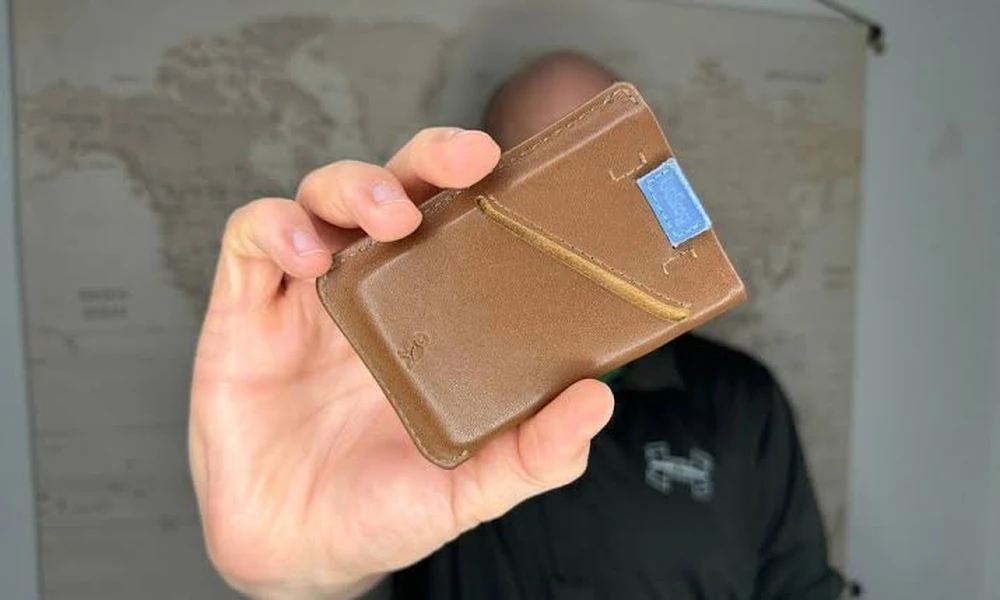
Keeping small payment cards organized becomes easier when storage has a clear purpose. A card holders (卡夾) provide a compact way to carry important cards without adding unnecessary bulk. Their material also affects appearance, handling, and long-term use. People searching for this item usually want simple storage plus a polished appearance. A lack of planning can create problems when size, capacity, and daily needs are ignored. Good selection starts by looking at these details together.
Start with Daily Carry Needs
A useful choice begins with understanding what needs to be carried each day. Count the cards that normally stay in regular rotation. Extra space can be useful, but excessive capacity may increase thickness.
Important Points
· Count regularly used cards before selecting a suitable storage size.
· Check internal slots before deciding how much space feels sufficient.
· Consider pocket dimensions when comparing different compact storage options.
· Review closure quality when frequent handling forms part of daily use.
Why It Matters?
A clear starting point prevents unnecessary bulk while keeping important items organized. It also makes later comparisons easier because every option can be judged against actual daily requirements.
Material Influences Everyday Handling
Leather can provide a firm surface while remaining flexible during regular use. Its texture may change through repeated handling. Surface treatment also affects how the item looks and feels.
Smooth finishes often create a cleaner appearance. Grain patterns can make the surface appear more distinct. Some materials may show marks sooner than others. That difference should be considered before regular use.
Capacity Should Match Actual Needs
Storage space should reflect genuine carrying habits rather than imagined requirements. A person carrying several cards may need more compartments. Someone carrying only a few may prefer a slimmer format.
Main Considerations
• Review slot width before placing several cards inside one compartment.
• Check whether central sections provide enough room for regular contents.
• Avoid excess capacity when thinner storage suits your routine better.
• Examine opening design for quick removal during ordinary handling.
Better Results
A suitable capacity keeps cards organized without creating unnecessary thickness. The right balance depends on how often each card is carried.
Shape Changes the Overall Profile
The physical shape influences how an item sits inside clothing or a bag. Slim forms usually occupy less room. Wider structures may provide additional storage but create greater thickness.
Before deciding, compare the overall dimensions against the space available for carrying. Rounded edges may feel smoother during movement. Firm corners can provide a sharper visual structure.
Different designs also suit different habits. Frequent pocket use may require a compact profile. Bag storage can allow slightly larger dimensions. One limitation is that capacity usually increases overall size.
Surface Details Create Individual Character
Small design choices can change the overall appearance without affecting basic storage. Stitching may add visible structure around the edges. Embossed marks can provide detail across a plain surface.
Color also influences how these details appear. Dark surfaces may make stitching less noticeable. Lighter shades can show texture more clearly. card holders (卡夾) can therefore differ greatly even when their basic shape remains similar.
Practical Steps for Better Selection
A repeatable selection process makes comparison clearer. Each stage should answer one practical question before moving forward.
Useful Actions
• List the cards carried during normal weekly routines.
• Measure available pocket space before comparing different dimensions.
• Compare compartment numbers against your actual storage requirements.
• Examine stitching and edges for consistent visible construction quality.
• Assess surface texture based on preferred everyday handling.
• Check closure movement before committing to regular use.
Following these steps keeps selection focused on real requirements. It also reduces decisions based purely on appearance.
Questions About Everyday Card Storage
• How many cards should a compact holder carry? Carry only the cards regularly needed to prevent unnecessary thickness and crowding.
• Does leather require regular maintenance? Basic cleaning and sensible storage can help preserve the surface during repeated use.
• Should every compartment be filled? No. Space can make removal easier and reduce unnecessary stretching.
• Does color affect practical use? Color mainly changes appearance, while certain finishes may show marks more clearly.
• What should be checked before purchase? Review dimensions, capacity, material, stitching, closure movement, and expected carrying conditions.
Consistent Choices Support Better Use
Practical storage works best when selection follows real daily requirements. Capacity should remain suitable for actual card numbers. Dimensions should fit the intended carrying space. Material should match expected handling conditions.
Small decisions can shape everyday convenience over time. A balanced item should remain easy to carry, simple to organize, and suitable for personal preferences. Consistent use matters more than searching endlessly for perfection. The practical goal is a storage choice that continues working under ordinary conditions.
